
Introduction
Ventilation systems and industrial equipment are among the most persistent sources of noise in UAE buildings, and ductwork often carries that noise far beyond its source. A sound attenuator is a specialized device built into ducting and airflow systems to reduce the noise generated by fans, air handling units, and mechanical equipment before it reaches occupied spaces. Perfect Acoustics supplies and installs sound attenuators across the UAE, helping building owners control mechanical noise without compromising the airflow their systems depend on.
A well-specified sound attenuator can be the difference between a building that hums quietly in the background and one where the HVAC system is a constant, noticeable irritation.

How a Sound Attenuator Works
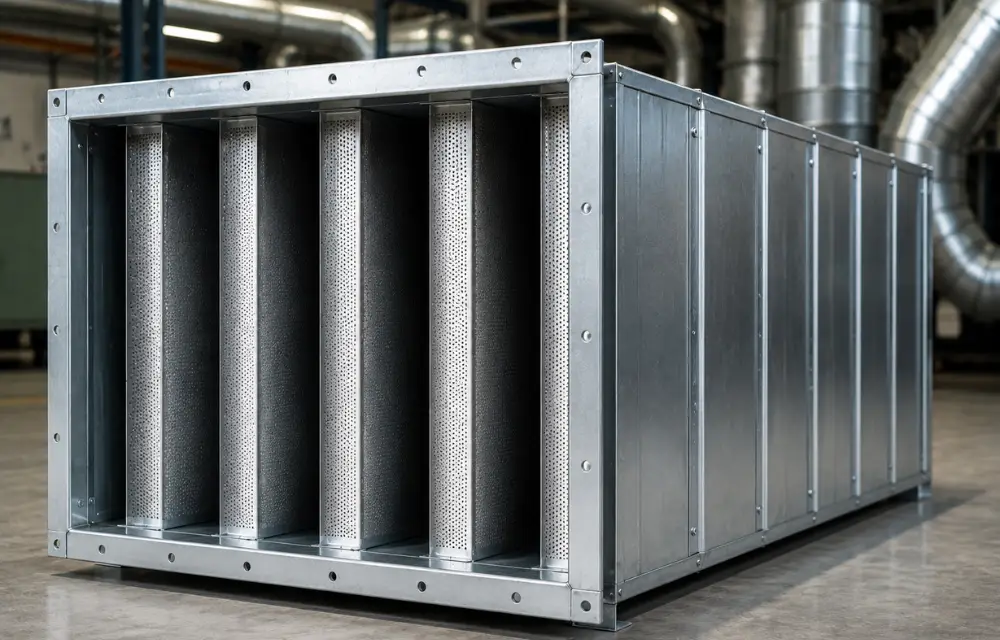
A sound attenuator is typically installed within ductwork as a section lined with sound-absorbing material, often arranged as parallel baffles that force air to pass through a series of absorptive surfaces. As air moves through the attenuator, sound energy is absorbed by the lining material while airflow continues largely unrestricted. The result is a significant reduction in noise transmitted along the duct, without a meaningful drop in system performance when the attenuator is correctly sized.
Getting this sizing right is critical. A sound attenuator that is too small for the airflow rate will restrict air movement and increase system pressure, while one that is undersized for the noise level will fail to deliver the reduction the project needs. Perfect Acoustics calculates the correct sound attenuator specification for each system based on airflow requirements and target noise levels.
Applications for Sound Attenuators in the UAE
Sound attenuators serve a wide range of building types and mechanical systems across the UAE:
- Commercial office buildings, where rooftop air handling units and supply ducts can transmit noticeable noise into meeting rooms and open workspaces
- Hotels and residential towers, where a sound attenuator in the plant room reduces noise reaching guest rooms and apartments below or nearby
- Hospitals and clinics, where quiet mechanical systems are essential for patient comfort and accurate acoustic conditions in consultation rooms
- Industrial facilities, where a sound attenuator on exhaust fans and process equipment controls noise before it exits the building or reaches office areas
Sound Attenuator Design Considerations
Choosing the right sound attenuator involves more than picking a size off a catalogue page. The frequency content of the noise matters, since low-frequency fan noise requires a different attenuator design than high-frequency air rush noise. The available space in the ductwork run also affects which attenuator length and configuration will fit. Fire safety requirements, cleanability, and resistance to moisture are additional factors in facilities like hospitals and food service kitchens. Perfect Acoustics works through each of these considerations with clients before recommending a sound attenuator specification.
Combining Sound Attenuators with Other Acoustic Measures
A sound attenuator addresses noise traveling through ductwork, but it is often just one part of a complete acoustic strategy. Plant rooms may also need acoustic louvers at ventilation openings, vibration isolation for rotating equipment, and acoustic insulation around the enclosure itself. Perfect Acoustics designs integrated acoustic solutions that combine a sound attenuator with these complementary measures, ensuring that mechanical noise is controlled at every stage of its path from the equipment to the occupied space.
Maintenance and Long-Term Performance
A sound attenuator generally requires little maintenance beyond periodic inspection to confirm the lining material remains intact and free from moisture damage or contamination. In systems handling dusty or greasy air, periodic cleaning may be necessary to keep the absorptive lining performing at its rated level. Perfect Acoustics can advise on inspection schedules for sound attenuators installed as part of a project, helping clients protect their acoustic investment over the life of the building.
Suggested Read – Types of Sound Attenuators Explained
Sound Attenuator Performance Data and Specification
Reliable sound attenuator performance depends on accurate, independently tested data rather than generic manufacturer claims. Insertion loss figures, which describe how much noise reduction a sound attenuator delivers across different frequency bands, allow engineers to confirm that a proposed sound attenuator will meet the acoustic target for a specific project. Airflow resistance data is equally important, since a sound attenuator that creates too much pressure drop can force fans to work harder, increasing energy use and potentially generating additional noise of its own. Perfect Acoustics provides full technical data for every sound attenuator it supplies, allowing consultants and contractors to verify performance before installation begins rather than discovering a mismatch once the system is running.

Conclusion
A correctly specified sound attenuator delivers quiet, comfortable buildings without sacrificing the airflow that HVAC and industrial systems depend on. From commercial offices to hospitals and industrial plants, Perfect Acoustics provides the sound attenuator products, engineering expertise, and installation services to control mechanical noise across UAE buildings. Contact Perfect Acoustics today to discuss the right sound attenuator solution for your project.