
Noise pollution in contemporary fast-growing urban and industrial settings has become a major issue for comfort, productivity, and health. Uncontrolled noise can interfere with the daily operation of any organization, as it is found in the HVAC systems of commercial buildings, heavy machinery used in industrial facilities, and so on, lowering the quality of life. This is where a sound attenuator is a major element in contemporary noise control strategies. Sound attenuation solutions, when properly designed and applied by an expert company such as Perfect Acoustics, one of the leading companies in sound, acoustics, noise control, and vibration control in the MENA region, will enable the creation of more efficient, quieter, and comfortable areas.
Noise control is now not about cutting down noise; it is about finding an acoustic balance without interfering with the system performance. Sound attenuators are important in the attainment of this balance in a broad scope of applications.
What Is a Sound Attenuator?
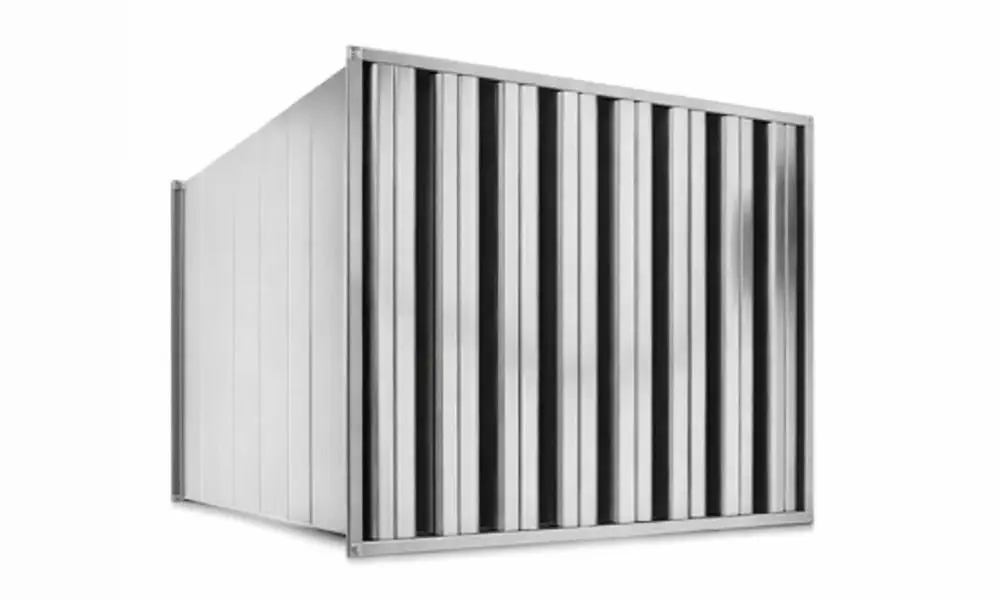
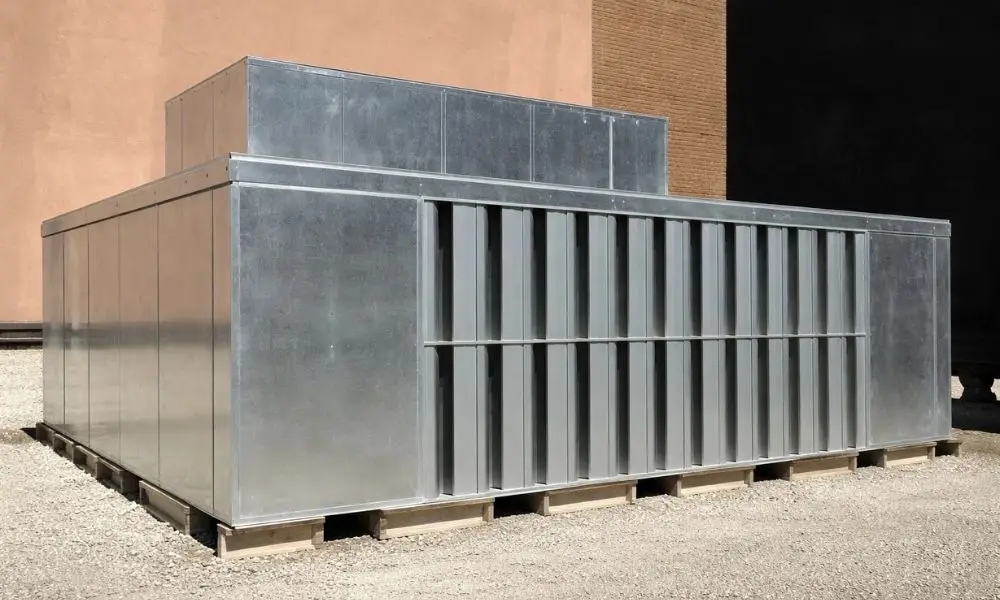
A sound attenuator, also known as a duct silencer or acoustic silencer, is a special device that is used in the ventilation and duct systems to minimize the release of noise. It is created to take up sound energy created by airflow, fans, or mechanical equipment while letting air through with a small amount of pressure loss.
Sound attenuators usually take the form of acoustic baffles comprising sound-absorbing materials placed within hard-duty housing. These baffles are designed to attack certain frequency bands, and thus, the baffles are effective in addressing low and high frequencies. This renders them much more efficient than plain acoustic linings and makeshift noise absorbers.
The Importance of Sound Attenuators in Noise Control
Effective Noise Reduction at the Source
The ability to regulate noise at its source is one of the greatest benefits of sound attenuators. Mechanical systems like air handling systems, exhaust fans, and compressors produce unrelenting noises that may be transferred into occupied areas via ducts. With the installation of sound attenuators near these sources, one finds that much of the undesirable noise is minimized before it diffuses, resulting in a lower noise interior.
Increased comfort and well-being.
The noise or distraction has the potential to cause stress, fatigue, and loss of concentration. Mechanical noise in all types of offices, hospitals, hotels, and residential buildings can have a negative effect on the comfort of the occupants. Sound attenuators are a key aspect of the user-centred design of buildings because they assist in the creation of relaxing, healing, and productive environments.
Improved Speech Clarity and Communication
Background noise in areas where listening is very important, like conference rooms, classes, and auditoriums, may disrupt intelligibility of speech. Noise in HVAC, especially, can drown out speech and diminish the clarity. Sound attenuators reduce this background interference so as to guarantee clearer communication and greater acoustic performance within shared spaces.
Compliance with Noise Regulations
There are numerous commercial and industrial projects that have to meet the noise control rules and standards. A failure in fulfilling these requirements may result in fines, grievances, or stalling of the project. Sound attenuators assist organizations to achieve the allowable noise level by offering reliable and quantifiable noise shielding, and therefore without significant re-designing of the system.
Maintaining System Efficiency
One of the most widespread apprehensions of noise control solutions is the possible effect on airflow and energy efficiency. Noise attenuators are designed with the aim of reducing pressure drop and, at the same time, producing effective noise mitigation. This makes HVAC systems remain efficient to ensure that systems are ventilated, maintain good indoor air quality, and contain noise.
Applications Across Industries
Sound silencers are highly applicable in various industries because of their applicability and efficiency. They aid in ensuring silence that is vital in the recovery of patients within healthcare facilities. They minimize distractions and help to promote good learning in learning institutions. At workplaces, they improve work and living conditions. Industrial plants use sound attenuators to control the high noise due to heavy machinery and ventilation systems to enhance the safety of workers and compliance.
Sound attenuation is also very beneficial in recording studios, auditoriums, and performance spaces since sound quality and clarity require the accurate control of acoustics.
Also Read – The Role of Sound Attenuators in Noise Reduction
Expertise Matters in Acoustic Design
Although sound attenuators have a high degree of effectiveness, their efficiency is highly reliant on correct choice, design, and installation. Here, skilled acoustic consultants come in handy. Perfect Acoustics, which is one of the most profitable companies in sound, acoustics, noise control, and vibration control in the MENA region, offers a specific solution to specific noise issues in various settings.
The integration of technical knowledge and knowledge of acoustic behavior enables Perfect Acoustics to provide custom noise control systems that are applicable and suitable for project requirements, building codes, and user expectations. Their holistic approach is guaranteed to provide long-term acoustic performance instead of short-term solutions.

Conclusion
With noise pollution rising in tandem with urban and industrialization, the need to control noise has indeed become an essential need and is no longer a luxury. One of the sure and effective technologies that will manage the noise of mechanics and airflow without interfering with the system performance is a sound attenuator.
Sound attenuators are crucial to contemporary acoustic design, whether it is to enhance comfort and communication or to be compliant with regulations and operational efficiency. In the hands of the experts of the industry, such as Perfect Acoustics, a foremost company in sound, acoustics, noise control, and vibration control in the MENA region, such solutions will assist in making the spaces quieter, healthier, and more functional for all people.