
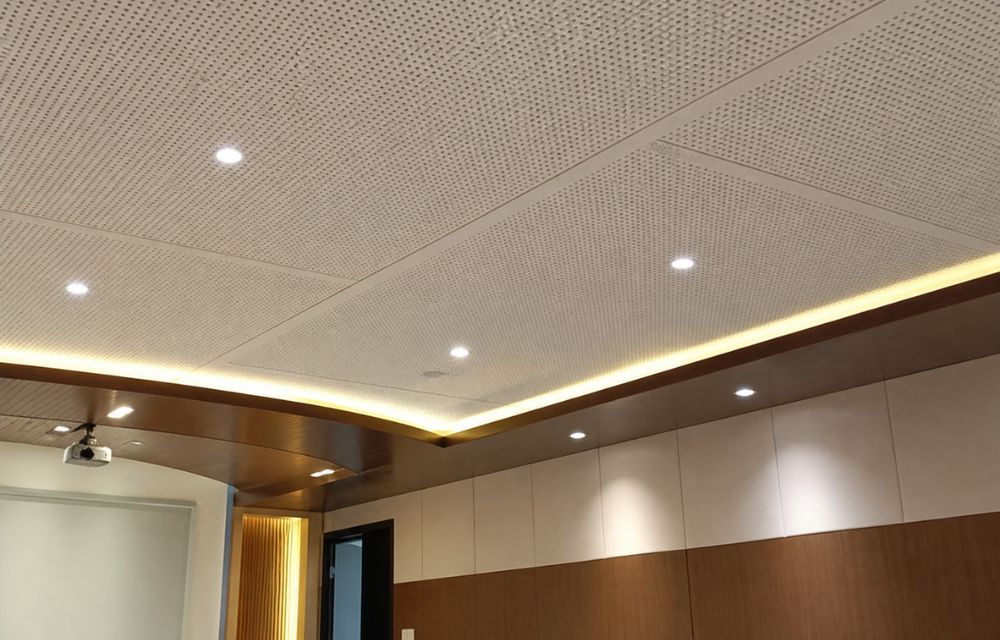
In modern buildings, controlling noise and improving sound quality have become very important. This is where Acoustic Plaster plays a big role. Many people hear this term but do not fully understand how it works. In simple words, it is a special type of plaster designed to absorb sound and make indoor spaces more comfortable and quieter.

What is Acoustic Plaster?
Acoustic plaster is a specially designed material applied to walls and ceilings to improve sound quality inside a room. Unlike normal plaster, it contains tiny pores, fibers, and mineral materials that help in absorbing sound waves.
It is often used in places like offices, restaurants, theaters, and even homes, where echo and noise can be a problem. One of its biggest advantages is that it provides a smooth and seamless finish, unlike visible acoustic panels.
What is Sound Absorption?
Before understanding how Acoustic Plaster works, it is important to know what sound absorption means. Sound absorption is the process of reducing echo and noise inside a room by preventing sound waves from bouncing off hard surfaces.
When sound waves hit hard surfaces like concrete or glass, they reflect back and create an echo. But when they hit soft or porous materials, the sound gets absorbed instead of reflecting.
How Acoustic Plaster Absorbs Sound
The working of Acoustic Plaster is based on simple science. It absorbs sound in the following ways:
1. Porous Surface Structure
Acoustic plaster has a micro-porous surface. When sound waves hit it, they enter these tiny pores instead of bouncing back.
2. Trapping Sound Energy
Once inside the material, the sound waves get trapped in the network of fibers and small air pockets. These structures slow down the sound waves and reduce their energy.
3. Conversion into Heat
The trapped sound energy is converted into a very small amount of heat. This process removes the sound from the room, reducing noise levels.
4. Reduced Echo and Reverberation
Since the sound waves are absorbed, they do not bounce back. This reduces echo and reverberation, making speech clearer and the environment more comfortable.
Key Features of Acoustic Plaster
Here are some important features that make Acoustic Plaster effective:
- High sound absorption: Helps in reducing noise and echo
- Seamless finish: No visible joints or panels
- Aesthetic appeal: Maintains interior design beauty
- Versatile application: Can be used on walls and ceilings
- Improves speech clarity: Ideal for offices and public spaces
These features make it a popular choice in modern architecture.
Where is Acoustic Plaster Used?
Acoustic plaster is used in many places where sound control is important, such as:
- Offices and meeting rooms
- Restaurants and cafes
- Schools and auditoriums
- Hotels and lobbies
- Residential living rooms
In all these spaces, it helps create a calm and pleasant environment.
Difference Between Sound Absorption and Soundproofing
Many people think sound absorption and soundproofing are the same, but they are different.
- Sound absorption: Controls sound inside a room by reducing echo
- Soundproofing: Blocks sound from entering or leaving a space
Acoustic plaster mainly works on sound absorption, not complete sound blocking.
Benefits of Using Acoustic Plaster
Using Acoustic Plaster offers several benefits:
1. Better Sound Quality
It improves how sound behaves inside a room, making conversations clearer.
2. Reduced Noise Levels
It absorbs unwanted noise, creating a quieter environment.
3. Modern Appearance
It gives a smooth and clean look without visible panels.
4. Flexible Design
It can be applied to different textures and finishes to match interiors.
5. Comfortable Living and Working Spaces
It reduces stress caused by constant noise and improves overall comfort.
Also Read – The Role of Acoustic Plaster in Modern Architecture
Why Choose Experts for Installation?
Installing acoustic plaster requires proper skill and knowledge. The performance depends on how well it is applied and the materials used.
Perfect Acoustics, a leading firm in sound, acoustics, noise control, and vibration control in the MENA region, provides advanced solutions for such needs. Their expertise ensures that the acoustic plaster system works effectively and delivers the best results for different types of spaces.

Conclusion
Understanding how sound absorption works helps us see why Acoustic Plaster is becoming so popular in modern construction. Its ability to absorb sound, reduce echo, and improve overall comfort makes it an excellent choice for both residential and commercial spaces.
By using Acoustic Plaster, you not only enhance sound quality but also maintain a clean and stylish interior design. With the support of experts like Perfect Acoustics, you can achieve the perfect balance between aesthetics and acoustic performance.