
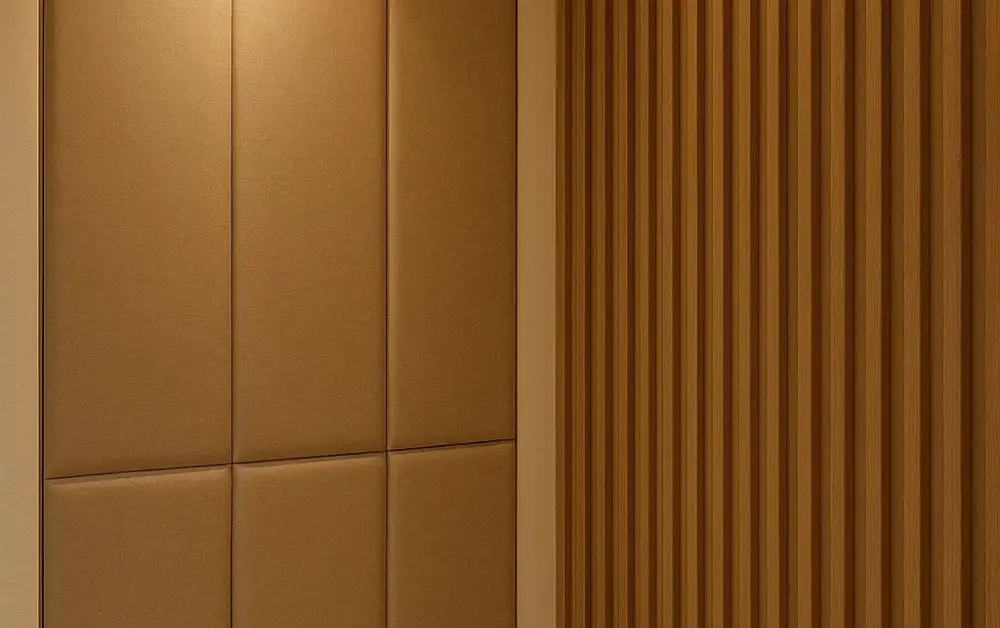
Enter a professional recording studio, and one of the quietly essential things in operation is the design and finish of the “acoustic wall”. These specially‑treated surfaces are no decoration; instead, they play an integral role in controlling reflections, reverberation, isolation, and clarity of sound. In the context of a studio where every nuance of performance counts, the right acoustic walls can transform the listening experience from “good” to “exceptional.”
In this blog, we will discuss how acoustic walls add sound quality in recording studios, what features in them make them effective, and why it pays to work with a specialist such as Perfect Acoustics, a leading firm in soundproofing solutions in the United Arab Emirates.
1. Controlling Reflections and Early‑Arrivals
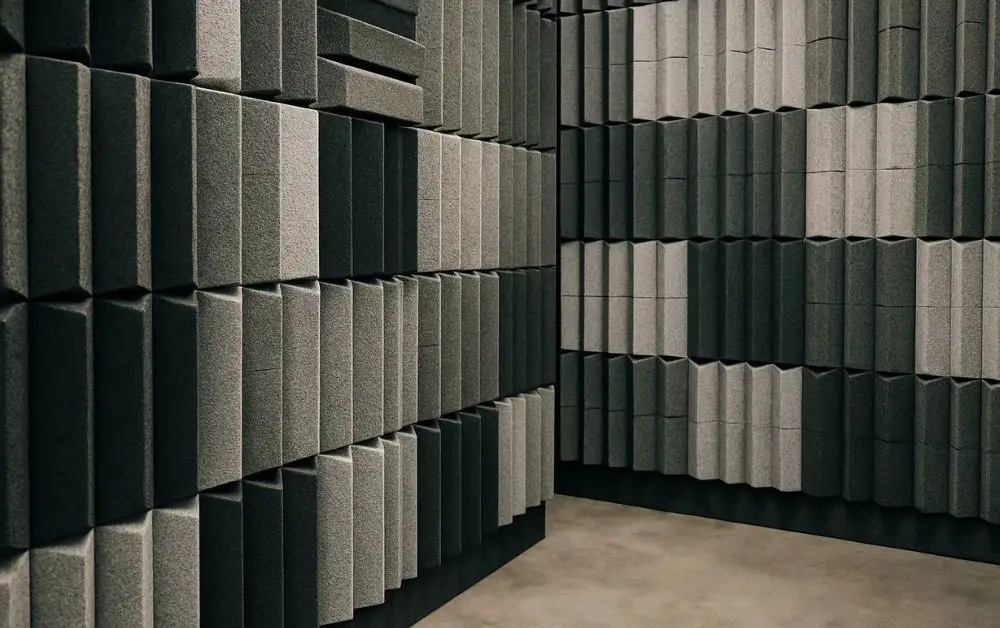
The objective in a recording studio is often to capture sound as cleanly and as directly as possible without unwanted echoes, flutter, or distracting ambient noise. When a singer or instrument is playing, the sound waves emanate in all directions; if left unchecked, they will bounce off untreated walls, creating early arrivals and multiple reflections. These reflections can muddy timing cues, smear transients, and reduce clarity in the mix.
Properly designed and finished, an acoustic wall is engineered to absorb or diffuse those unwanted reflections. For instance, the use of absorptive panels, acoustic foam, wood-wool, or fabric-wrapped surfaces can reduce the first reflections. This, in turn, creates a more direct, tighter recorded sound and makes the listening environment more neutral. In short, what you hear is what was played — not a room interfering with the signal.
2. Reverberation Time Management
One of the most critical parameters in room acoustics is reverberation time, or RT60-the length of time it takes a sound to linger in the room. When the reverb tail is too long in a recording studio, it can create a ‘washed‑out’ effect; too short and the room starts to feel dead, flat, and lifeless, which might be okay for specific uses but is not always desirable. The acoustic walls help tune the reverberation time to a preferred range for the type of recording that is being done, be it voice‑overs, instrumentation, full band, etc.
By using innovative wall construction such as special absorptive cores, decoupled layers, and diffusion elements, the acoustic wall works to regulate the energy in the room so that it presents the listener-engineer, musician, or client with a balanced sound: present, clear, with depth but uncluttered. This creates a “sweet spot” listening environment within which decisions on tone, spatial cues, and dynamics are more reliably made.
3. Soundproofing and Isolation
Another key dimension is isolation — keeping the outside noise out, keeping the studio sound in. This is where the acoustic wall helps again, with mass, damping, and sometimes decoupling techniques. Without correct wall treatment, even a well‑tuned room can become compromised by external HVAC noise, traffic rumble, or adjacent spaces.
This is where a specialist firm like Perfect Acoustics comes into play: they offer soundproofing solutions, including wall panels and insulation, to create robust isolation. Their expertise ensures that the acoustic wall is not only tuned for internal sound behavior but also resistant to external intrusions, enhancing the overall listening experience by reducing distractions and maintaining fidelity.
4. Improved Accuracy in Monitoring
In a recording studio, the listening environment is critical for monitoring and mixing. Engineers depend on accurate reproduction of what’s been recorded so they can make decisions about EQ, dynamics, stereo imaging, and effects. If the acoustic walls are reflective or inconsistent, then what you hear is coloured by the room, not the source.
A studio with an acoustic wall built and finished for coloration reduction will offer a flat and predictable listening space. That means what you hear at the monitors is more directly tied to the recording itself, enabling better judgment in mixing and mastering. The final output from the recording, whether for streaming, broadcast, or archive, is closer to what the creators intended.
5. Enhancing Comfort and Concentration
More than just acoustic metrics, however, the quality of the environment matters for musicians, engineers, and clients who may work long hours in a studio. The acoustic walls eliminate noise intrusion, tame reverberation, and even out the sound field to help everyone concentrate. The space becomes less fatiguing and more inviting, which encourages creativity. When the room is well-treated, every little nuance-from the softest vocal breath to the resonance of a stringed instrument- is heard.
6. Tailoring aesthetics and functionality
Modern acoustic walls are not just about performance; they also address the challenges of aesthetics, ergonomics, and flexibility. With the help of firms like Perfect Acoustics, you can choose panels, finishes, and configurations that fit both acoustic goals and design ambitions. This can be anything from decorative absorptive panels and integrated shelving with diffusion to modular wall systems that adapt to different recording tasks—the dual benefit: a studio that looks as good as it sounds.
Perfect Acoustics is the leading company in professional soundproofing solutions, ranging from wall panels to ceiling systems and bespoke acoustics. Because of their specialized focus, studios all over benefit from end-to-end service in design consultation, supply, installation, and tuning.
Suggested Read – What are the benefits of acoustic wall panels?
7. Practical Considerations When Planning Acoustic Walls
The following are the factors to consider when designing an acoustic wall for studio applications:
Material selection: Absorbers-porous, resonant, diffusers, mass-loaded barrier systems.
Wall construction: double layers, decoupling, proper insulation behind finishes.
Coverage & placement: A few strategic zones (first reflection points, rear wall, side walls) matter more than treating every surface equally.
Integration with Other Surfaces: Floors, ceilings, and cabinetry should complement the wall treatment.
Maintenance & flexibility: Select finishes and panel systems that allow for replacement, re‑tuning, or aesthetic updates.
Commissioning and tuning: After installation, measure the room’s acoustic response and adjust placement or addition of panels as required. Working with a professional acoustics firm will help with this last step.
Conclusion
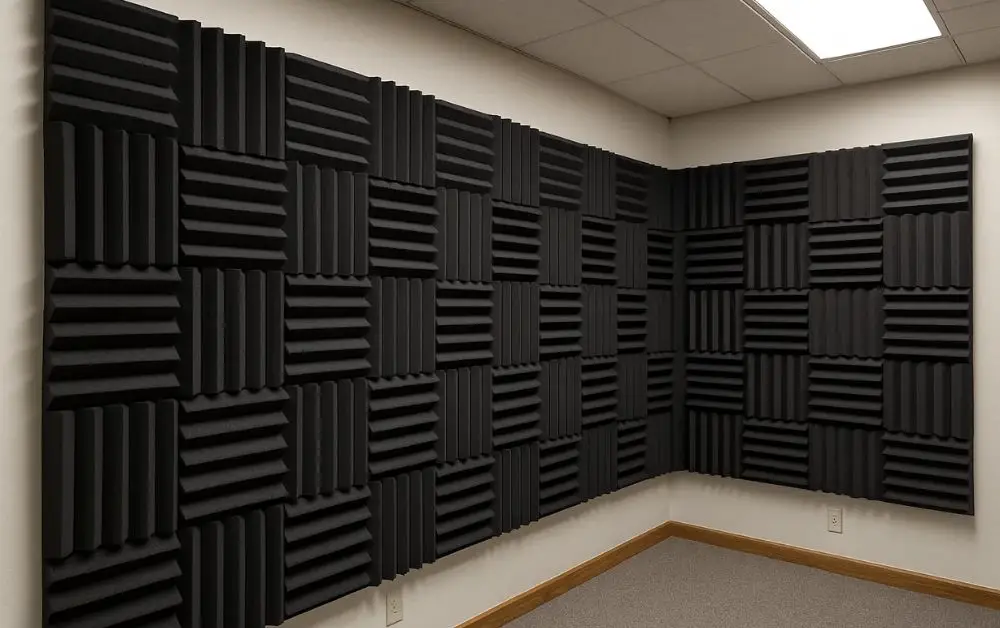
In a recording studio environment, the difference between a good listening experience and a great one often comes down to the details, and the acoustic wall is pivotal to that transformation. From reflection control to reverberation time management, noise isolation, support for accurate monitoring, creative comfort, and aesthetic enhancement, the acoustic wall stands as a fundamental building block. By partnering with an expert company such as Perfect Acoustics, which offers dedicated soundproofing solutions in the United Arab Emirates, studio designers and operators ensure that their walls are more than structural but performance-enhancing. Ultimately, when the acoustic wall is correctly designed and installed, musicians and engineers hear more of what matters: nuance, emotion, clarity. And that means every take, every mix, and every playback stands out. Your listening experience gets richer, more accurate, and more immersive because of the right acoustic wall.