
In this modern time of life in the fast-paced lane, it is no longer a luxury but an absolute necessity to have a quiet, peaceful space in the home. Whether you’re at the office and trying to focus, on your commute, or working out — actively and passively, sound isolation makes things better by helping you get in the zone, no matter if it’s a big noisy city or peace and quiet. And one of the most successful ways to keep things peaceful indoors is to think about insulating against sound transmission through walls, floors, ceilings, and openings such as doors and windows. This beginner’s guide will take you through sensible, easy-to-implement tricks to create a calm and quiet space. On the way, we’ll also tell you how Perfect Acoustics, a renowned sound & acoustic company in the MENA region, can upgrade your home’s acoustic comfort.
Understanding Acoustic Insulation
Acoustic insulation is the practice of introducing materials or elements to your home that will absorb sound, preventing it from transferring into or out of a space, unlike commonsense “sound-treating” methods that offer only a quick-fix by taming reverberations within a room, soundproofing targets the source or route of noise at its core—transforming any environment with an overall reduction in distracting sounds.
Before we check out individual remedies, it can be helpful to know that there are two primary types of noise:
1.Airborne Sound: Voices, music, traffic, and other sounds that pass through the air and can infiltrate holes in structures like windows or doors.
2. Structure-borne Noise: Vibrations of the floor or wall, which are easily transmitted through structural elements like walls and floors, caused by walking, objects, or a hard impact.
Good acoustic insulation considers both kinds of sound.
Start with the Basics: Doors and Windows
Doors and windows are frequent sound gap culprits. Upgrading or improving these components can have a significant impact on gain.
- Seal gaps and cracks: Use weatherstripping or acoustic (soundproofing) caulk to seal tiny gaps around windows and doors. This keeps sound from seeping in through gaps around frames or trim.
- Heavy Curtains: Thick, heavy curtains will not only block light but also absorb some of the noise from outside as well.
- Upgrade Windows: Consider installing laminated or double-pane windows, which are better at insulation against outdoor noise.
These changes are not terribly expensive, but they can do wonders for your home’s acoustic environment.
Use Soft Furnishings and Décor
Sound bounces off hard surfaces, such as tile and glass, and can easily echo throughout the space. When soft media are considered, the sound is damped and absorbed:
- Rugs and Carpets: They reduce impact sound as well as echo, which is especially helpful where hard floors are concerned.
- Soft Furnishings: Sofas, cushions, and heavy fabrics will absorb sound waves, making the room less reverberant.
- Wall Hangings: Tapestry, or other fabric work, can double up as both stylish and sound-absorbing pieces.
Such additions not only increase comfort but permit you to adjust room acoustics without modifying the structure.
Install Acoustic Insulation Materials
For more comprehensive noise reduction—especially in common walls, home offices, or entertainment rooms—Contact today for professional acoustic insulation installation:
- Acoustic Panels: These aid in absorbing sound and reducing echo in a room, making places like home theater rooms and study areas much more comfortable.
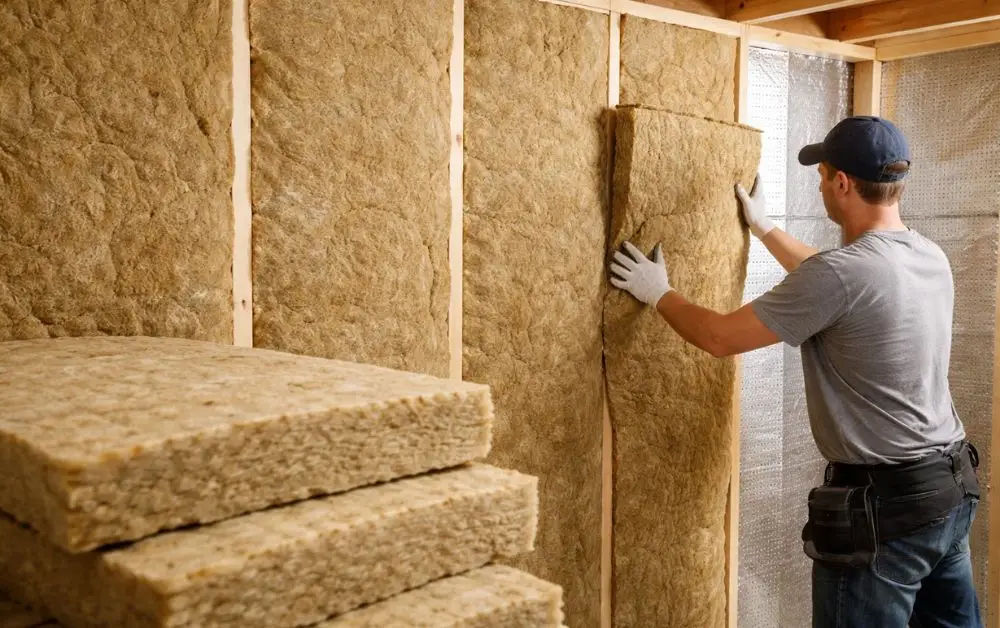
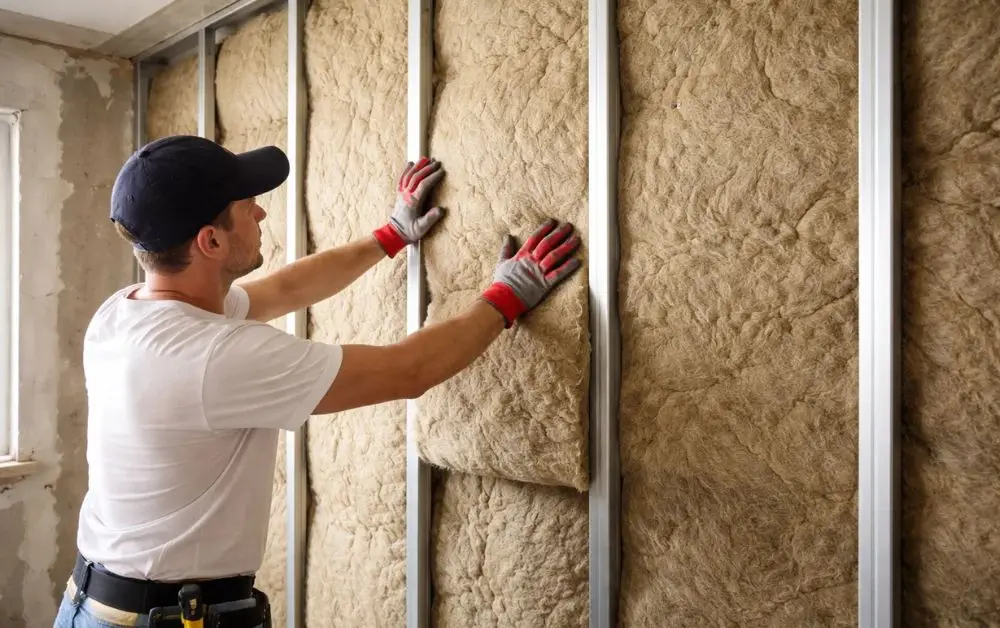
- Wall and Ceiling Insulation: By insulating interior wall spaces with mineral wool or fiberglass (or whatever the local preference is) between rooms, you can dramatically reduce noise transmitted through walls.
- Floating Floors and Underlays: Impact noise reduction – these products decouple the floor covering from the impact sound source, slowing transmission of vibrations caused by footfalls or moving furniture.
This can result in a variety of combinations often used by professionals to address the unique set of noises they face.
Suggested Read – Why Acoustic Insulation Will Be a Game-Changer for Your Space in 2025?
Leverage Professional Expertise
Although some quick and dirty do-it-yourself solutions often work just fine, there are times when professional advice is the way to go. Here’s where Perfect Acoustics excels at producing. Operating as a leading sound and trends setter in sound systems, acoustics, noise control, and vibration control all over the MENA region. We deliver custom solutions, ranging from homes to corporate facilities. Their team of expert acoustic consultants will view your home’s individual acoustic profile and provide you with specific recommendations as to how to improve it, whether that be in the way of panels or insulation systems that are designed to revolutionize your environment.
As part of their personalized service, they work with you to improve your quality of sound in a home theatre setting, reduce noise (by up to 70%) within an open plan living space, or improve overall acoustics throughout the entire house for a price point that fits your budget.

Final Thoughts
You can’t make a noise-free home like that, but through selecting interiors carefully and adding sound insulation where necessary, our eating, sleeping, and leisure spaces could be transformed into quieter, more comfortable places. Start by making simple repairs like caulking leaks and adding soft items, and adjusting more sophisticated methods as needed.
For those in search of the professional edge, however, working with a trusted acoustics company like Perfect Acoustics can be precisely what you need to ensure high-end expertise and high-performance materials get transported right into your project. In the right hands, acoustic insulation can transform even the most bustling home into a peaceful sanctuary.