
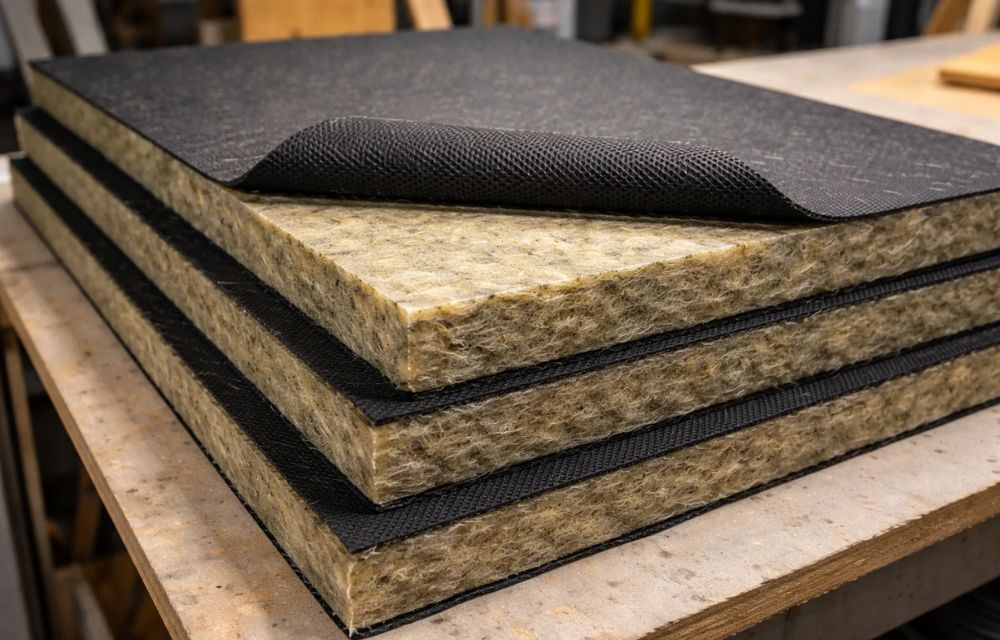
In terms of offering peace and quiet, distraction-free setups, be it in homes, offices, theatres, or studios, acoustic sound proof insulation is central. However, this area is full of misunderstandings, although it is critical in improving the sound quality and decreasing the level of undesirable noise. Such myths usually lead property owners and designers to make irrelevant or expensive decisions in planning effective sound control solutions. In this blog, we will make some of the most widespread myths regarding acoustic and soundproof insulation disappear in order to have a depiction of what works, what does not work, and why it is important to have expertise.
A point to make beforehand is the contribution of collaborators in this area. Perfect Acoustics, being one of the prominent companies in the sound, acoustics, noise control, and vibration control in the MENA region, has a wide experience in assisting clients to create good acoustics in residential, commercial, and industrial projects. Their high-level solutions and tailor-made treatment are the reasons why professional expertise is highly priced when sound control issues are concerned.
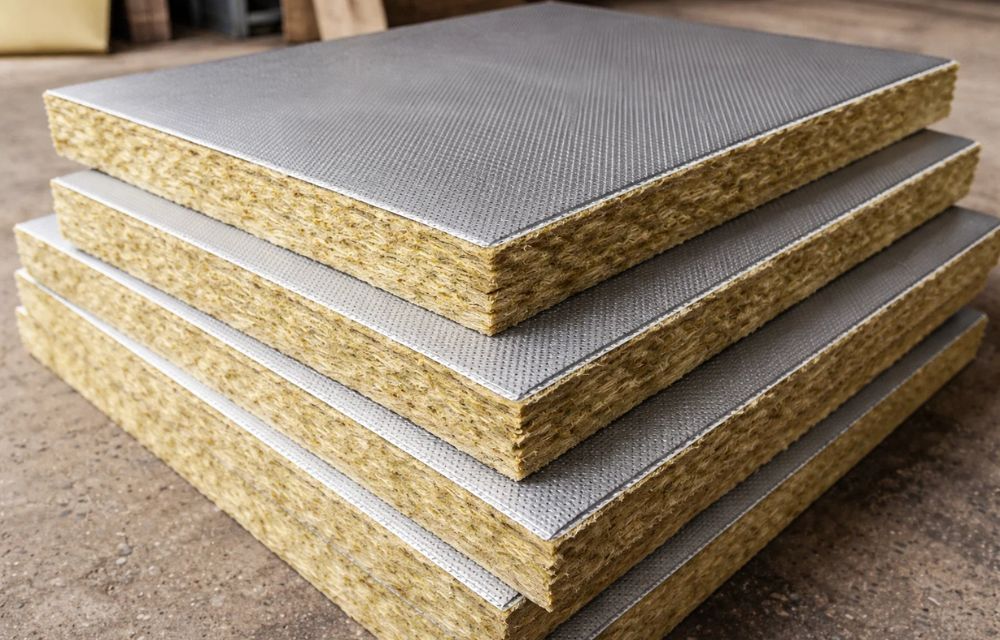
Myth #1: Sound Insulation Creates Complete Silence
The most widespread is the myth that the acoustic insulation will render the room totally silent. This belief is usually based on dramatic before-and-after soundproofing assertions that can be found on the internet. Sound insulation is very effective in curbing noise transmission, but it does not stop all sounds. There are many methods of transmission of sound, be it by structures, air cavities, and even vibrations; thus, although correct insulation can dramatically help, no amount of absolute silence can be achieved except in extremely specialized institutions.
Reality Check: It is not only possible to assume that unwanted noises are zero, but the optimal reduction of the latter and enhancement of the clarity and comfort should be expected.
Myth #2: Acoustic Foam Panels Equal Effective Soundproofing
Most individuals think that the use of cheap foam-based panels on the walls will completely soundproof an area. Although acoustic foam may come in handy in some cases, e.g., reducing the echo in a room, it does not prevent sound from getting in or out of a room. Foam is porous, which is lightweight and meant to absorb reflections and reverberations as opposed to isolating noise.
Reality Check: When it comes to soundproofing, adding a lot of mass, closing openings, and managing sound paths in the structure are all better accomplished in reality with proper materials and correct planning- these are all better managed with professional planning. Perfect acoustics incorporates acoustic treatment as well as structural solutions in order to guarantee actual noise control.
Myth #3: Egg Cartons Work as Soundproofing Materials
This can be among the stranger myths going around DIY forums; the egg cartons fastened on a wall will dampen or keep out sound. The crate-shaped form can be similar to sound diffusers, although the cardboard is of very minimal mass and causes minimal effects at most frequencies.
Reality Check: Acoustic materials that are designed are those that are created to manage certain frequencies and sound levels. At best, egg cartons fall under the influence of high-frequency echoes and have no actual insulation.
Myth #4: Heavy Curtains and Soft Furnishings Soundproof a Space
It is indeed so that curtains, carpets, and sofas are able to alter the acoustics of a room- they cushion echoes and dampen sharp reflections. They do not, however, block the sound that travels through ceilings, walls, or floors. Just like foam panels, they enhance acoustic comfort, but are not effective soundproof insulation.
Reality Check: These products are used to improve sound in a room, but to control the transmission of sound through the room to the adjoining rooms, structural solutions like insulation, sealants, and barriers are necessary.
Myth #5: You Only Need Acoustic Insulation for Music Studios
The other myth is that acoustic insulation is only applicable in highly specialized buildings such as music studios or theatres. Although it is true that these spaces are greatly enhanced by careful sound design, acoustic and soundproofing can be used extensively. Proper noise control is beneficial in homes, offices, healthcare, education institutions, as well as industrial settings, enhancing expanse, productivity, and privacy.
Actually, Perfect Acoustics serves all these markets by providing acoustic solutions that are custom-made to the environment, which can be corporate boardrooms and other places where people meet.
Reality Check: Good acoustics is no luxury – it is a necessity wherever sound clarity and noise control or privacy are an issue.
Also Read – Turn Your Home into a Quiet Haven with Acoustic Soundproof Insulation
Myth #6: Better Soundproofing Means Thicker Walls Only
Although making walls thicker or using dense materials can work to prevent the passage of sound, thickness is not a panacea. Absorption materials, airtight seals, mass, and decoupling structures are used in combination with effective soundproof insulation to control the noise on many dimensions. A bulky, un-airtight, and non-vibration isolating wall will not work as well as a professionally designed acoustic system.
Reality Check: Synergy of materials and design is what makes insulation effective- not the thickness.
Why Professional Acoustic Insights Matter
All these myths spread so easily that it is easy to start trying to come up with DIY solutions that fail to work. Professional companies such as Perfect Acoustics use holistic approaches that take into consideration all aspects of sound control: structural isolation, acoustic absorption, vibration management, and customized installation. Their experience makes the solutions effective as well as adapted to the specifics of each space and use.
Conclusion
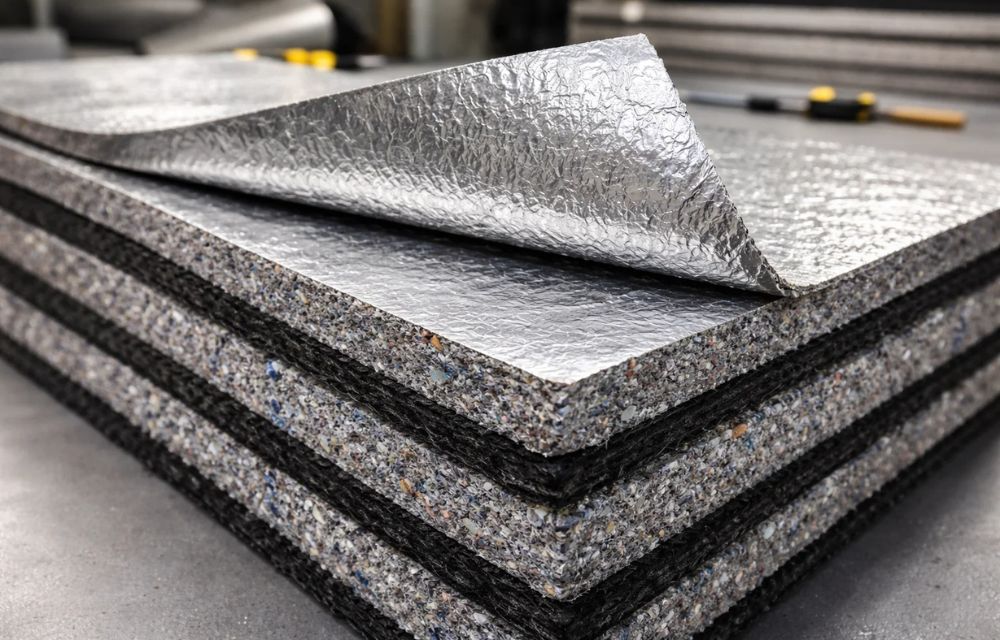
Learning what is really true and false can help you save on time, money, and frustration in planning acoustic projects. Acoustic soundproofing is not a buzzword; it is actually a science that requires proper material choice and design. The myths, such as foam is soundproofing, or egg cartons are soundproofing, can be refuted, and you will be in a better position to make the right judgments and invest in the solutions that will really improve your environment.
In the event you would require the services of an expert with technical and regional experience, companies such as Perfect Acoustics can add the technical perfection to your project in the areas of sound, acoustics, noise regulation, and vibration regulation. Splitting the fact and the fiction, you are one step closer to areas that not only sound good, but feel good as well.